
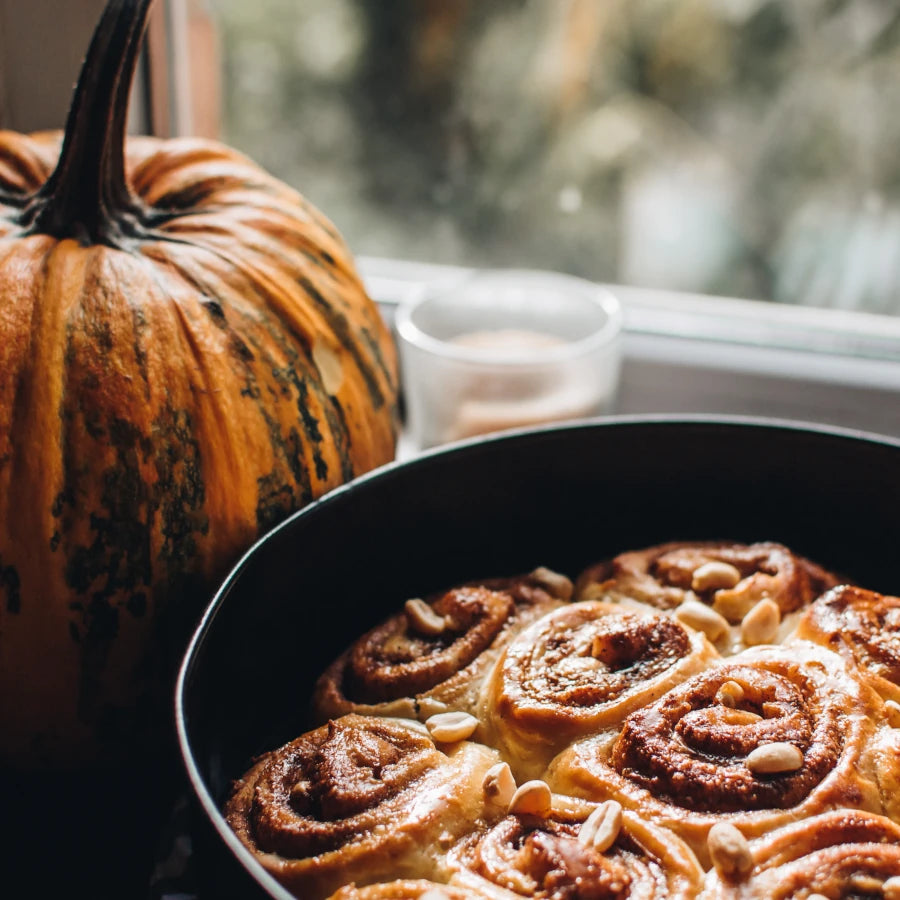


To choose fall candle fragrance oils customers actually want, start with scents that feel familiar enough to create an immediate seasonal connection, then add one or two distinctive options that make your line memorable. Test every scent in your actual wax, wick, and vessel before buying deeply, and let customer feedback—not your personal favorite—guide the final assortment.
Getting ready for fall candle season and figuring out how to choose fragrance oils customers actually want is less about predicting one “winning” scent and more about building a collection with range. Fall buyers may love pumpkin, apple, woods, spice, bakery notes, or something moodier. Give them recognizable choices without making every candle feel like a variation of the same fragrance.
Start With the Feeling Customers Are Buying
Fall fragrance is emotional. People are not only smelling cinnamon, vanilla, cedar, apple, or amber; they are often buying the feeling behind those notes—the first cold evening, a kitchen full of baking, a weekend cabin, or a favorite sweater pulled out of storage.
That closely matches how Megan, owner of Scented Flame Candle Supply, approaches fragrance development. She explains that fragrance can connect to memory and emotion, and that the goal is to create something that recreates that experience. That is a useful filter when choosing Fall Fragrance Oils.
Instead of only asking, “Does this smell good?” ask, “What moment does this scent belong to?” If the answer is immediate, customers will probably understand it faster too.

Build a Fall Collection With Different Jobs
A strong fall lineup should not contain six scents competing for the same customer. Think in terms of roles: one classic gourmand, one fruit-forward option, one woody or outdoorsy fragrance, one warm sophisticated scent, and one wildcard that feels less expected.
Pumpkin or baked spice can serve the traditional fall shopper. Apple, pear, cranberry, cedar, smoke, amber, or musk can broaden the collection beyond heavy bakery notes.
If every candle leans sweet, spicy, and bakery-heavy, the collection can blur together. Contrast gives each fragrance a reason to exist.
Getting Ready for Fall Candle Season? How to Choose Fragrance Oils Customers Actually Want Before Ordering Deep
One common mistake is falling in love with an oil out of the bottle and immediately buying a large quantity. A fragrance can smell wonderful on its own and perform differently once it is in wax.
Megan regularly reminds new makers that candle making involves testing the fragrance, wax, wick, and jar together. A scent you love may need a different wick, fragrance load, or cure time before it performs as expected.
Before committing to larger quantities of Candle Fragrance Oils, make a controlled test batch. Keep the wax, vessel, wick, pour process, and cure time consistent so you are evaluating the fragrance rather than changing several variables at once.
Let Customer Feedback Beat Personal Preference
Your favorite fragrance does not automatically become your bestseller. You may love smoky woods while your customers keep asking for apple cider, or you may be tired of pumpkin while your audience still considers it the scent of fall.
Review last year’s sales, customer messages, event feedback, sample requests, and repeat orders. In person, even a simple tally of which testers customers pick up first can reveal patterns.
Megan sees this feedback loop from the supplier side too. She says new fragrance development can begin with customer requests, and she pays attention to reviews and maker communities to understand what resonates. The market will often tell you what it wants if you make it easy to listen.

Use Familiar Notes, Then Add a Twist
Customers usually need something recognizable to understand a candle quickly. That does not mean the fragrance has to be boring.
Pumpkin can move toward woods rather than only bakery spice. Apple can pair with oak, amber, or smoke. Vanilla can become richer with leather or sandalwood. A familiar anchor lowers the risk for the shopper, while the second layer gives the candle personality.
This is also where blending can make a smaller fragrance library more versatile. Scented Flame’s Candle Fragrance Combinations Through the Year is a helpful place to explore pairing ideas and think about how one oil might work across multiple seasonal collections.
Buy for Real Demand, Not Hope
Fall can create a fast jump in production for makers selling at markets, craft fairs, or holiday events. But ordering too aggressively before you know your lineup ties up cash in fragrance that may move slowly.
Bulk Fragrance Oils make the most sense when you already know the scent performs well in your formula and you have a realistic plan for using it. Start deeper with proven scents and scale newer fragrances after testing or early customer feedback.
Megan shared a recent example of a maker who grew from smaller orders into her largest order yet after being invited to a major fall craft fair with thousands of potential customers. Scented Flame helped her select scents, waxes, jars, and the timing needed to scale production. The bigger purchase followed real business growth and a defined sales opportunity—not a guess.
Do Not Confuse Affordable With Cheapest
Margins matter, especially when you are pouring dozens or hundreds of candles. Still, fragrance oil is not the place to judge value only by the bottle price.
Affordable Fragrance Oils should make sense when you consider performance, consistency, customer response, shipping reliability, and how much finished product you can confidently sell. A cheaper oil that creates repeated reformulation or a weak finished product can cost more in wasted wax, jars, labels, and time.
Megan started Scented Flame partly because, as a maker herself, she struggled to find cleaner fragrance oils that also performed the way she wanted. That maker-first experience is a useful reminder: the real value of a supply is what happens after it reaches your production table.
Consider Ingredient Standards as Part of Your Brand
If cleaner ingredient standards are part of your brand story, choose suppliers that can clearly explain how their fragrance oils are formulated.
Megan says Scented Flame’s PureChoice line is built around standards including phthalate-free, Prop 65 compliant, vegan, cruelty-free, and CMR-free formulations, along with additional exclusions her team prioritizes during product development. She describes fragrance development as a balancing act between getting the scent experience right and making the formulation as clean as possible.
For small brands, customers may be buying directly from the person who poured the candle. You should be comfortable explaining why you chose those ingredients.

Make the Collection Easy to Shop—and Easy to Carry Forward
A good fragrance can still get overlooked if the name and description make customers work too hard. Creative candle names are fine, but the supporting description should quickly tell the shopper what to expect.
“October No. 4” may fit your branding beautifully, but adding “smoked apple, cedar, and amber” gives the customer something concrete. Clear scent descriptions also make discovery sets, bundles, and seasonal gift boxes easier to shop.
Think one season ahead too. Woods, amber, vanilla, baking spice, cranberry, evergreen, and smoke can transition naturally into holiday products. A few longer-life scents give you more flexibility with inventory.
A Simple Fall Fragrance Buying Checklist
Before placing your main seasonal order, ask yourself:
- Does each fragrance serve a different customer or mood?
- Can I explain the scent in one clear sentence?
- Have I tested it in my actual wax, wick, and vessel?
- Have I evaluated the candle both unlit and burning?
- Do I have feedback or sales history supporting a larger order?
- Does the oil fit the ingredient standards I want my brand to represent?
- Can some scents transition into holiday or winter products?
- Am I buying from a production plan rather than excitement?
Fall candle season rewards preparation. The makers who do best are not necessarily the ones with the biggest fragrance wall; they are the ones who know why each scent is in the lineup, how it performs, and who is most likely to buy it.
Megan’s own path with Scented Flame began because she could not find the combination of performance, cleaner standards, and supplier support she wanted as a maker. That mindset works for fall: choose intentionally, test thoroughly, listen to customers, and scale winners when demand is real.